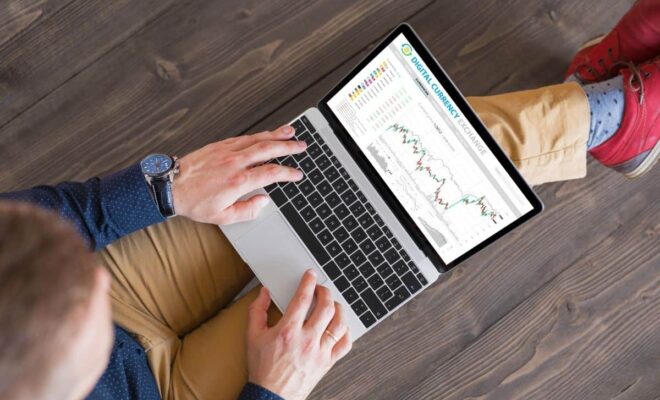
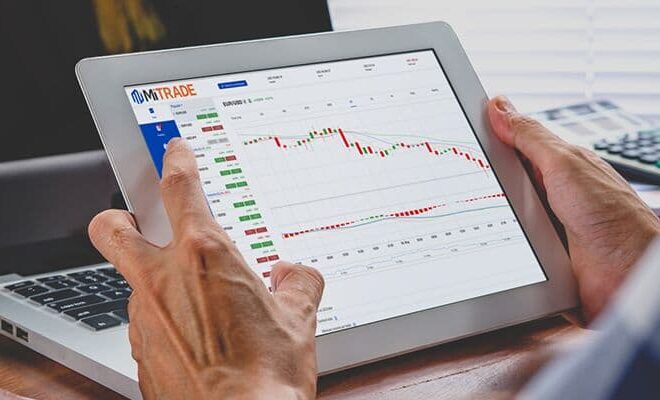
Introduction: A New Frontier for the Modern Trader
In the past decade, crypto trading has evolved from a niche curiosity among tech enthusiasts to a global phenomenon that commands the attention of hedge funds, retail investors, and regulators alike. Unlike traditional markets bound by bank holidays and closing bells, crypto markets never sleep. They hum with activity twenty-four hours a day, seven days a week, offering both opportunity and peril to those brave enough to step in. For the uninitiated, crypto trading can feel like stepping onto a rollercoaster without a safety bar — thrilling, but potentially catastrophic without preparation and prudence.
What Is Crypto Trading? More Than Just Buying Bitcoin
At its simplest, crypto trading means buying and selling digital assets like Bitcoin, Ethereum, or any one of thousands of alternative cryptocurrencies (altcoins) with the aim of making a profit. While long-term investors might buy crypto and hold it for years hoping its value appreciates, traders actively buy and sell in shorter timeframes, attempting to capitalize on the market’s notorious volatility.
Key aspects of crypto trading include:
High Volatility: Rapid price swings present unique profit opportunities — and risks.
24/7 Markets: Unlike stock exchanges, crypto never closes, which can be both a blessing and a source of burnout.
Global Access: Anyone with an internet connection can participate, often with fewer barriers than traditional markets.
Innovation and Risk: New coins and tokens appear daily, sometimes offering revolutionary technology — or sheer speculation.
Different Approaches: Finding Your Trading Style
Not all crypto traders are created equal. Different strategies suit different risk appetites, time commitments, and temperaments.
Day Trading
Day traders buy and sell crypto within the same day, sometimes entering and exiting positions in a matter of minutes or hours. They rely heavily on technical analysis — chart patterns, indicators, and price trends — to predict short-term market movements.
Benefits:
Quick Profits: Capitalize on intraday price swings.
No Overnight Risk: Positions are closed before the market’s unpredictability can wreak havoc while the trader sleeps.
Challenges:
Stressful: Requires constant monitoring and rapid decision-making.
Emotional Toll: Losses can mount quickly for undisciplined traders.
Swing Trading
Swing traders hold positions for days or weeks, aiming to catch larger price moves than day traders but without the long-term commitment of investors.
Advantages:
Less Time-Intensive: No need to watch the screen all day.
Potential for Significant Gains: Capitalizes on medium-term trends.
Risks:
Overnight Volatility: Sudden news or regulatory changes can upend positions overnight.
Patience Required: Impulsive exits can erode profits.
Scalping
Scalpers are the sprinters of crypto trading, aiming to profit from small price movements multiple times per day. They rely on high liquidity and tight spreads to execute dozens, sometimes hundreds, of trades daily.
Why some traders choose scalping:
Quick Turnaround: Small profits accumulate rapidly.
Reduced Exposure: Positions are so brief that major news events rarely impact trades.
Downsides:
Requires Lightning-Fast Execution: Delays can erase margins.
Brokerage Fees: Frequent trades can rack up significant fees.
Automated Trading
For those unwilling or unable to sit glued to screens, automated trading bots offer an alternative. Bots execute trades based on pre-programmed strategies, removing emotion from the equation.
Key points:
Efficiency: Bots monitor markets 24/7, executing trades faster than any human.
Emotionless Decisions: No panic selling or FOMO-driven buying.
However:
Poorly Programmed Bots Can Fail: Automation is only as good as the logic behind it.
Market Changes: Bots can’t always adapt to unexpected events without human oversight.
Understanding the Tools: Technical and Fundamental Analysis
Successful crypto traders typically blend two schools of thought: technical and fundamental analysis.
Technical Analysis
This relies on historical price data and chart patterns. Common tools include:
Candlestick Charts: Reveal open, high, low, and close prices for specific timeframes.
Moving Averages: Smooth out price data to identify trends.
RSI (Relative Strength Index): Measures whether an asset is overbought or oversold.
MACD (Moving Average Convergence Divergence): Highlights momentum shifts.
Fundamental Analysis
Fundamental traders assess the underlying value of a coin by examining:
Project Whitepapers: Do they solve real-world problems?
Team and Partnerships: Who’s behind the project?
Market Demand: Is the token widely used or adopted?
Regulatory Landscape: Are there upcoming rules that could impact viability?
Risks Unique to Crypto Trading
The crypto market’s youth and decentralization make it uniquely risky.
Market Manipulation
Thin liquidity and unregulated exchanges can make crypto vulnerable to pump-and-dump schemes and whale-driven price swings.
Security Threats
Hacks, phishing attacks, and exchange collapses have drained billions from traders over the years. Proper security practices, like using hardware wallets and reputable exchanges, are vital.
Regulatory Uncertainty
Crypto regulation varies widely by country and can change overnight, dramatically impacting prices and market access.
Psychological Pitfalls
The crypto market’s constant availability can tempt traders into overtrading, revenge trading after losses, or panic selling during downturns.
Risk Management: The Trader’s Lifeline
Even the best strategy crumbles without discipline and protection against catastrophic losses. Smart crypto traders follow core risk management rules:
Never Trade with Money You Can’t Afford to Lose: Treat crypto trading as high-risk.
Set Stop-Loss Orders: Limit downside by pre-defining exit points.
Diversify: Avoid putting all funds in a single coin or token.
Keep Emotions in Check: Stick to a plan rather than reacting impulsively to price swings.
The Road Ahead: Crypto Trading Matures
Despite wild price swings and occasional scandals, crypto trading continues to evolve. Large institutions are cautiously stepping in, lending credibility and liquidity to a market once dominated by retail traders. Decentralized exchanges (DEXs) now allow peer-to-peer trading without intermediaries, adding a new dimension of freedom and responsibility.
Meanwhile, regulators are closing in with frameworks aimed at protecting consumers and curbing fraud. This balancing act — encouraging innovation while taming excess — will shape the next era of crypto trading.
Conclusion: Master the Craft, Respect the Risk
Crypto trading is not a shortcut to guaranteed riches but a complex discipline that rewards study, strategy, and self-control. The markets may be wild and unpredictable, but for those who respect the risks and commit to mastering their craft, crypto trading remains one of the most fascinating frontiers in modern finance — equal parts peril and possibility, chaos and opportunity.
In the end, successful crypto traders understand that surviving the digital marketplace is not just about timing buys and sells but cultivating the rarest commodity of all: the discipline to act wisely when others lose their nerve.