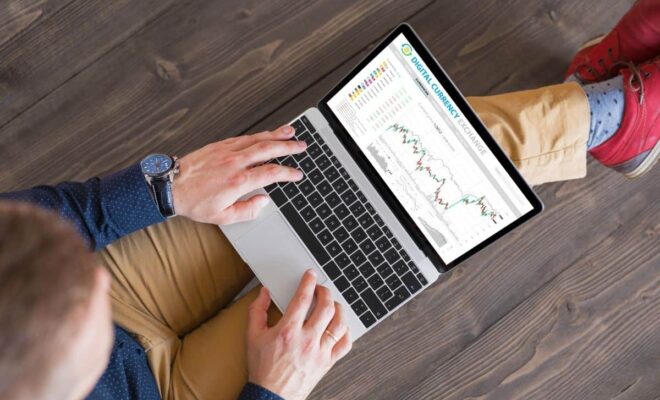
Mastering the Art of Crypto Trading: Strategies, Risks, and Opportunities in the Digital Marketplace

Introduction: The Evolution of Crypto Trading
In the ever-shifting landscape of global finance, crypto trading has emerged as a dynamic and captivating realm, attracting investors, technologists, and speculators alike. Unlike traditional markets, crypto trading operates around the clock, powered by decentralized exchanges and an enthusiastic community fueled by innovation. This digital marketplace offers unparalleled opportunities for profit, but it also demands a deep understanding, disciplined strategy, and an awareness of the unique risks involved.
As cryptocurrencies continue to carve out a prominent role in the financial ecosystem, mastering crypto trading is not merely about capitalizing on price swings—it is about navigating a complex interplay of technology, psychology, and market forces.
Understanding Crypto Trading: The Basics
Crypto trading involves buying and selling cryptocurrencies, such as Bitcoin, Ethereum, or a myriad of altcoins, with the objective of generating profit. Traders exploit price volatility by purchasing assets at a lower price and selling them at a higher one, or through more sophisticated techniques including short selling and derivatives.
Key features distinguishing crypto trading include:
-
24/7 Market Access: Unlike traditional stock exchanges with fixed hours, crypto markets never sleep, allowing continuous trading worldwide.
-
High Volatility: Rapid price fluctuations create both risk and opportunity.
-
Decentralized Platforms: Many trades occur on decentralized exchanges (DEXs) without intermediaries.
-
Diverse Instruments: Beyond spot trading, derivatives such as futures, options, and perpetual contracts are widely available.
Popular Crypto Trading Strategies
Effective trading in the crypto space requires more than intuition; it demands carefully crafted strategies tailored to the market’s volatility and liquidity profile.
-
Day Trading: Traders open and close positions within the same day, capitalizing on short-term price movements. This method requires constant market monitoring and quick decision-making.
-
Swing Trading: Positions are held from several days to weeks, aiming to profit from anticipated market ‘swings.’ Swing traders use technical and fundamental analysis to time entries and exits.
-
Scalping: A high-frequency approach involving dozens or hundreds of trades daily, each targeting small price differentials. Scalping demands exceptional discipline and low transaction costs.
-
Position Trading: Longer-term holdings based on macroeconomic trends or project fundamentals, akin to traditional investing.
-
Arbitrage: Exploiting price discrepancies across different exchanges by buying low on one platform and selling high on another.
Tools and Techniques in Crypto Trading
Successful crypto traders leverage a suite of analytical and technical tools to guide their decisions.
-
Technical Analysis (TA): Utilizes charts, patterns, and indicators such as moving averages, Relative Strength Index (RSI), and Bollinger Bands to predict price direction.
-
Fundamental Analysis (FA): Involves evaluating the underlying value of a cryptocurrency, considering factors such as development team, network activity, adoption, partnerships, and regulatory environment.
-
Sentiment Analysis: Gauges market mood through social media trends, news sentiment, and community engagement.
-
Risk Management: Employing stop-loss orders, position sizing, and diversification to mitigate potential losses.
Navigating the Risks of Crypto Trading
While crypto trading offers alluring profits, it is inherently risky and requires prudence.
-
Market Volatility: Sudden price swings can lead to significant gains or devastating losses.
-
Liquidity Risks: Smaller cryptocurrencies may suffer from low trading volumes, causing price manipulation or slippage.
-
Security Vulnerabilities: Exchanges and wallets can be targets of hacking, fraud, or technical failures.
-
Regulatory Uncertainty: Changes in government policies can drastically impact market conditions.
-
Emotional Biases: Greed, fear, and FOMO (fear of missing out) often cloud judgment, leading to impulsive decisions.
Best Practices for Aspiring Crypto Traders
Navigating crypto trading with success is a marathon, not a sprint. Here are essential principles for those looking to thrive:
-
Education Is Paramount: Continuously expand knowledge about blockchain technology, market mechanics, and new developments.
-
Develop a Trading Plan: Define clear entry and exit points, risk tolerance, and profit targets.
-
Use Demo Accounts: Practice strategies in simulated environments before committing real capital.
-
Stay Informed: Monitor market news, regulatory updates, and technological advancements.
-
Emphasize Security: Employ cold wallets, strong passwords, and two-factor authentication.
-
Manage Emotions: Cultivate discipline and avoid chasing losses or speculative hype.
The Future of Crypto Trading: Innovation and Integration
Crypto trading is evolving alongside broader technological and financial trends, promising greater sophistication and accessibility.
-
Algorithmic Trading: The rise of bots and AI-powered trading systems enables rapid, data-driven decisions.
-
Decentralized Finance (DeFi) Integration: Emerging DeFi platforms offer novel trading opportunities with enhanced transparency and reduced counterparty risk.
-
Institutional Participation: Growing involvement from hedge funds, asset managers, and corporations introduces liquidity and regulatory rigor.
-
Regulatory Maturation: Clearer frameworks may foster investor confidence and stability.
-
Cross-Chain Trading: Interoperability solutions could enable seamless trading across multiple blockchain networks.
Conclusion: The Art and Science of Crypto Trading
Crypto trading stands at the crossroads of innovation, risk, and opportunity, inviting those willing to master its intricacies to participate in a new financial frontier. It requires a blend of analytical rigor, strategic foresight, and emotional resilience. While the path is fraught with volatility and uncertainty, the rewards for those who navigate wisely can be substantial.
In an era where digital assets redefine wealth and ownership, understanding crypto trading is not merely a skill but a gateway to engaging with the future of finance itself. Embrace the challenge with knowledge, caution, and ambition—and the digital marketplace can become a landscape of both discovery and prosperity.